
HVAC vs. Hydrogen: Fundamental Differences in Sensor Selection Logic
Starting with temperature, pressure, and water quality analysis, we break down the selection logic differences between HVAC and hydrogen production industries regarding media compatibility, impact resistance, explosion-proof certification, and high-purity monitoring.
HVAC and hydrogen production represent two industries with vastly different operating conditions. HVAC prioritizes comfort and energy efficiency, using air, water, and standard refrigerants as measurement media. In contrast, hydrogen production involves high-pressure, high-purity media with stringent explosion-proof requirements; even minor measurement deviations can pose safety risks. Relying solely on specification sheets for sensor selection often leads to short lifespans, significant drift, or safety hazards in the field. We examine these differences by analyzing temperature, pressure, and water quality measurements.
Temperature Sensors: Balancing Stable Response with Media Compatibility
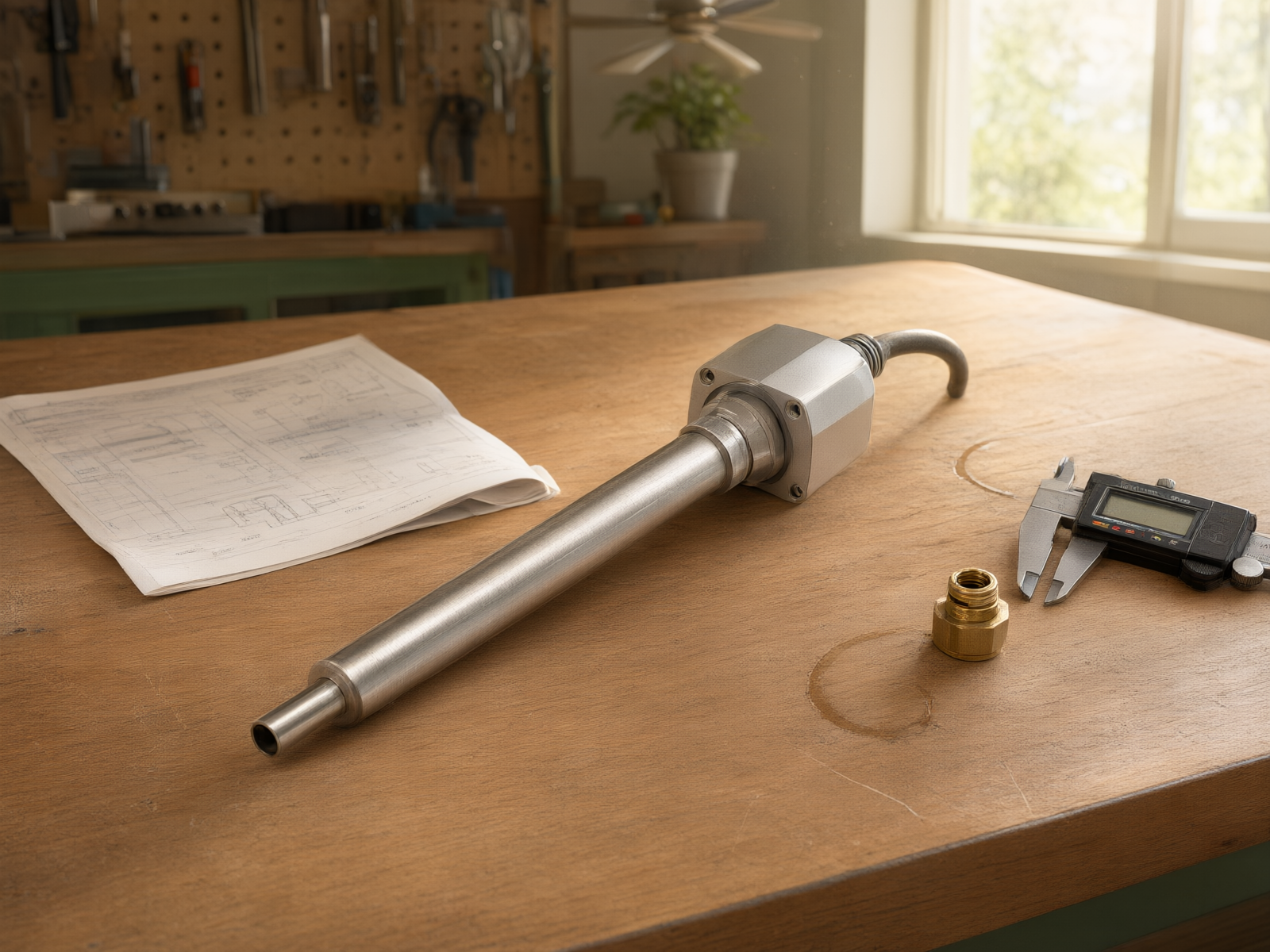
HVAC temperature measurement primarily targets air, chilled water, and cooling water, operating within a range of -20°C to 120°C. Key sensor requirements in this environment are long-term stability and fast response times. PT100 or PT1000 platinum resistance thermometers are the standard choice; Class A or B accuracy typically suffices for most control loops. Installation options include duct-mounted, insertion-type, and surface-mount sensors. When selecting, prioritize sheath material (304 stainless steel) and wiring configuration (three-wire or four-wire) to minimize errors from lead resistance.
Temperature measurement in hydrogen production scenarios is significantly more complex. Alkaline electrolyzer outlet temperatures typically range from 80°C to 90°C, while PEM electrolyzers operate at higher temperatures. However, the key factor in sensor selection is the medium—hydrogen gas, 30% KOH solution, or high-purity deionized water. Sensors must be resistant to hydrogen embrittlement and feature sealing structures capable of withstanding alkaline corrosion; protection ratings generally require IP67 or higher. In explosive atmospheres, ATEX or IECEx certification is also mandatory. JUMO temperature sensors offer various sheath materials and sealing options for these demanding conditions. When selecting a sensor, prioritize medium compatibility over accuracy specifications.
Pressure Sensors: Focus on Shock Resistance vs. Leak Prevention
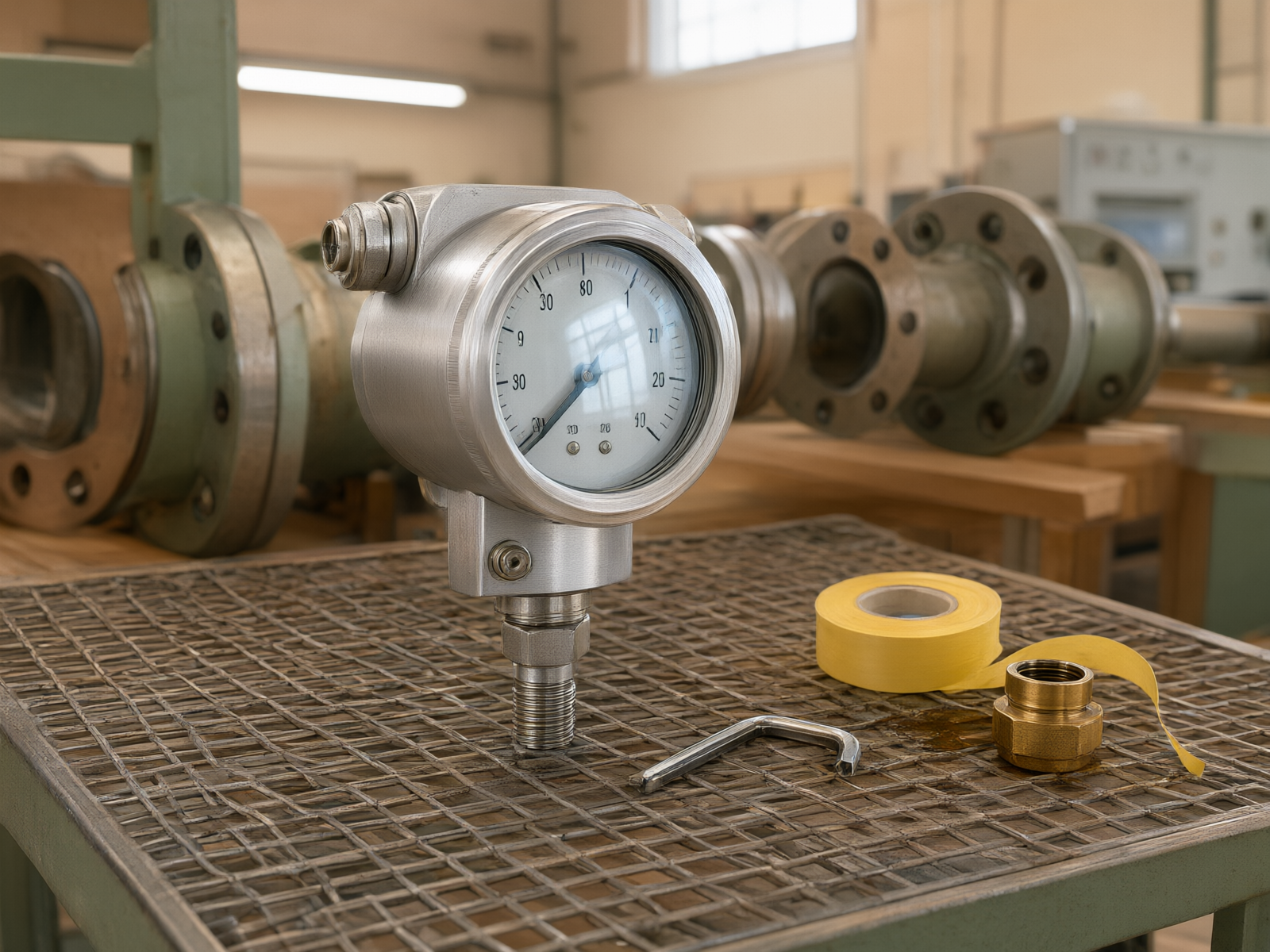
HVAC system pressure measurements cover chilled water loops, cooling water loops, and refrigerant lines, typically ranging from 0 to 1.6 MPa. Common field disturbances include water hammer and pump start-stop fluctuations, making sensor overload capacity and long-term zero stability the primary performance metrics. Diaphragm materials are usually 316L stainless steel. The two main technology approaches are oil-filled and capacitive ceramic sensors: the former offers superior overload resistance, while the latter provides higher resolution in low-range applications.
Pressure measurement in hydrogen production systems is critical for safety. Electrolyzer operating pressures range from atmospheric to 3.0 MPa or higher. Monitoring the pressure differential between the hydrogen and oxygen sides helps assess diaphragm integrity; abnormal differentials can lead to gas crossover. Sensors must feature hydrogen-compatible sealing materials, meet helium leak detection standards, and hold explosion-proof certification. When selecting JUMO pressure transmitters for hydrogen applications, it is essential to specify the measured medium, pressure range, output signal type, and required certifications. Omitting any of these details may prevent field deployment.
Water Quality Analysis Sensors: Distinguishing Anti-Fouling/Corrosion Protection from High-Purity Monitoring
Water quality monitoring in HVAC systems focuses on circulating cooling water and chilled water, with core parameters including pH, conductivity, and turbidity. The objective is to prevent scaling, corrosion, and microbial growth. Measurement points are relatively fixed, and maintenance cycles span months. Sensor selection prioritizes electrode fouling resistance and calibration intervals; standard glass or graphite electrodes are typically sufficient.
Hydrogen production systems require more comprehensive water quality monitoring. Alkaline electrolysis demands monitoring of KOH solution concentration, while PEM electrolysis imposes strict requirements on the resistivity and total organic carbon (TOC) of makeup water. Hydrogen purity is linked to parameters such as dissolved oxygen and dew point. These measurement points impose higher demands on sensor alkalinity resistance, fouling resistance, and response speed. Some parameters require continuous online monitoring without long interruptions. JUMO's water analysis sensors cover conductivity, pH, and dissolved oxygen. When selecting sensors for hydrogen production applications, include medium concentration, temperature compensation methods, and maintenance convenience in a single comparison table.
The core difference in selection
The selection differences between HVAC and hydrogen systems ultimately stem from operational condition variations reflected in measurement requirements. The former prioritizes cost-efficiency and long-term stability, while the latter emphasizes safety and media compatibility. When advising clients on both categories, we first confirm media properties, pressure/temperature ranges, certification requirements, and installation environments before recommending specific models. Genuine, traceable supply with calibration services forms the foundation for ensuring reliable long-term operation of the measurement loop. Users can directly check technical specifications and inventory status via our online store or submit operating condition details to receive a model recommendation from our measurement engineers within 1 business days.
Need help selecting the right model for your application?
Submit media characteristics, temperature and pressure ranges, certification requirements, and installation environment. A measurement engineer will provide a model recommendation within 1 business days. You can also look up technical specifications directly in the product catalog.